





MBBS In Vietnam - Introduction
- Vietnam, officially known as the Socialist Republic of Vietnam (SRV), is the fifteenth most populated country in the world. It is situated in Southeast Asia, has a population of 99 million, and occupies an area of 331,212 square kilometers. Its boundaries are shared by China to the north, Laos and Cambodia to the west, and Thailand, the Philippines, Indonesia, and Malaysia on the sea. Vietnam’s capital city is Hanoi, and its largest city is Ho Chi Minh City, formerly known as Saigon.
- Vietnam has a long history that dates back to the Paleolithic era, when the first nations were founded in the Red River Delta in the first millennium BC. From 111 BC until the First Vietnamese dynasty’s rise in 939, China ruled over Northern and Central Vietnam during the Han dynasty.
- The Chinese Confucianism and Buddhism influenced the succeeding dynasties, which conquered Champa as they advanced southward. Following the August Revolution in 1945, the communist revolutionary Ho Chi Minh led the nationalist coalition Viet Minh in declaring Vietnam’s independence. The Nguyễn monarchy had submitted to France in 1883.
- Vietnam fought a protracted battle against France beginning with the First Indochina battle in the 20th century which Vietnam won in 1954, causing the nation to be split in half. The Soviet Union, China, and the United States backed the anti-communist South, while the communist North launched the Vietnam War. The Communist Party of Vietnam led North Vietnam to victory in 1975 and the reunification of the nation as a unitary socialist state.The Communist Party of Vietnam initiated political and economic reforms akin to those of China in 1986, despite facing numerous obstacles including an inefficient planned economy, a trade embargo by the West, and wars with China and Cambodia. These reforms helped the country transition to a market-oriented economy and facilitated its reintegration into the global economy and politics.
- Vietnam’s economy is one of the fastest-growing in the twenty-first century, while being classified as a lower-middle-income developing nation. By 2050, it is expected to have a GDP comparable to wealthy countries.
- Vietnam is among the nations with the worst records for civil liberties, press freedom, and the freedom of religion and ethnic minorities. It also has a high level of corruption and censorship. In spite of this, Vietnam has held two UN Security Council seats and is a member of numerous international and intergovernmental organizations, such as the ASEAN, APEC, CPTPP, Non-Aligned Movement, OIF, and WTO.
About Vietnam
- Southeast Asia is the region that is home to Vietnam, sometimes referred to as the Socialist Republic of Vietnam. With around 97 million inhabitants, it ranks as the world’s 57th most populous nation. This nation shares borders with China, Malaysia, Indonesia, the Philippines, Cambodia, Laos, Thailand, and Cambodia. Vietnam’s capital city is Hanoi. Ho Chi Minh City is Vietnam’s largest city. The environment in Vietnam will generally fluctuate dramatically for each region due to differences in scope and the obvious variety of geological features. Rainstorm twists typically blow from the upper east along the Chinese coast and across the Gulf of Tonkin during the cooler, or dry, season, which typically lasts from November to April. This causes significant wetness.
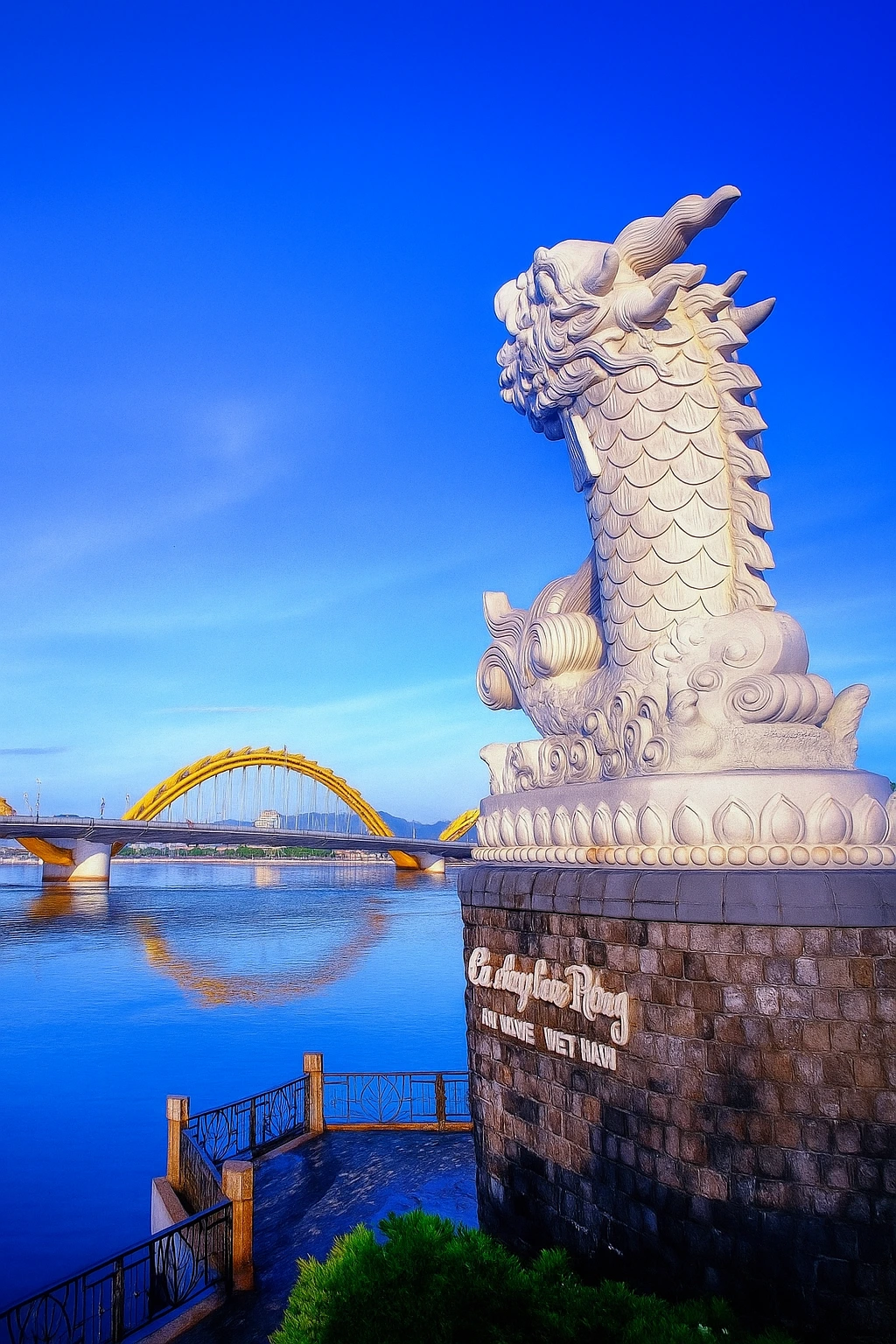
- The mystical beauty of its natural surroundings and the friendliness of its people have made Vietnam, a stunning country in South East Asia, famous worldwide. Vietnam is a paradise for individuals who love adventures and outdoor sports, with a coastline spanning more than 3,000 kilometres, numerous pristine jungles, and a tropical climate. It is also a nation with a rich cultural heritage, straddling the cultures of several East and South Asian nations, including Vietnam, China, Japan, Champa, Khmer, and India.
Why Study MBBS In Vietnam
- Vietnam is becoming a popular destination for students who want to study MBBS abroad, especially for Indian students. The country offers a unique blend of high-quality education, affordable tuition fees, and a rich cultural experience. The MBBS programs in Vietnam are recognized by the World Health Organization (WHO) and the National Medical Commission (NMC), making it easier for graduates to practice medicine in India and other countries.
- The MBBS in Vietnam is taught in English, which makes it accessible for international students who are not natively English-speaking. Vietnam also has a large number of medical colleges and universities, making it an excellent choice for international students looking to study medicine abroad. The country has a rich history and culture, which adds to the overall experience of studying in Vietnam. The cost of living in Vietnam is relatively low compared to other countries, making it an affordable option for students. The country also has a vibrant student life, with many opportunities for extracurricular activities and cultural experiences.
Indian Food and Facility For Indian Students
While living in Vietnam as a medical student, food and accommodation are the major factors that students keep in mind. The universities in Vietnam have very affordable accommodation options; most of them offer hostels for international students. These hostels are facilitated with all the necessary facilities that ensure a comfortable living environment for the students. There are numerous Indian restaurants in Vietnam for Indian students, serving home-style meals at an affordable price. Many students also prefer cooking their own food; university hostels have kitchen facilities in many instances. The easy availability of affordable food options makes the stay in Vietnam quite convenient for Indian students. Generally speaking, living in Vietnam is not too expensive, and with a host of accommodation and food alternatives available to suit the lifestyles of international students, there is ample reason to feel at home while pursuing an MBBS in Vietnam.